
More Animal Coloring Pages
Fun History
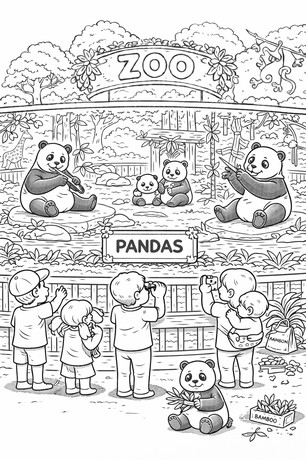
Giant pandas are native to China’s bamboo forests and are known for their black-and-white coats and gentle demeanour. In Chinese culture pandas symbolize peace and friendship; they have been given as diplomatic gifts known as ‘panda diplomacy.’ They subsist mainly on bamboo, eating for up to 12 hours a day to consume enough nutrients. Pandas’ playful nature and distinctive appearance make them beloved worldwide, appearing in stories, toys and logos. Once endangered due to habitat loss, pandas have become conservation ambassadors and their numbers are slowly increasing thanks to habitat protection and breeding programs.
Giant pandas became global symbols of wildlife conservation partly because they are so visually distinctive. Their black-and-white coats make them easy to recognize, and their bamboo-heavy diet makes them unusual among bears. For a long time pandas were rarely seen outside China, which gave them an almost legendary reputation, and later they became famous in diplomacy as goodwill ambassadors.
The Panda scene connects with the long tradition of people learning about wild animals through drawings, travel stories, field guides, and later zoo signs and nature films. Safari and zoo imagery often highlights the details that make each species easy to remember, such as markings, body shape, horns, beaks, tails, or habitat clues. Those visual details matter because they help distinguish one species from another even at a quick glance. Over time, animals like this became some of the most recognizable subjects in illustrated nature collections. That gives the page a link to both natural history and the history of animal illustration.
About This Printable
Download this free printable coloring page or print instantly. Great for kids, preschool, and classroom activities.
Giant pandas are among the most beloved animals in the world, and this free panda coloring sheet captures that gentle, bamboo-munching charm perfectly. The bold patches of black and white give young colorists a clear guide while still leaving plenty of room for personal expression.
Use this printable to kick off a conversation about conservation and habitats — kids are often fascinated to learn that wild pandas live only in mountain forests in China. It's equally at home in a classroom science corner, a homeschool lesson on endangered animals, or a quiet afternoon of creative coloring at home.
Related Coloring Pages
- Elephant Coloring Page
- Flamingo Coloring Page
- Giraffe Coloring Page
- Lion Coloring Page
- Monkey Coloring Page
- Penguin Coloring Page
- Reptile Zoo Coloring Page
- Zebra Coloring Page
- Free Printable Animal Coloring Pages
- Horse Coloring Sheet
- Chicken Coloring Sheet
- Goat Coloring Sheet
- Duck Coloring Sheet
- Donkey Coloring Sheet
- Rhino Coloring Sheet
- Cheetah Coloring Sheet
- Hippo Coloring Sheet
- Crocodile Coloring Sheet
- Gorilla Coloring Sheet
Frequently Asked Questions
Why are giant pandas black and white?
Scientists believe the giant panda's distinctive black-and-white coloring serves two purposes: the white body provides camouflage in snowy mountain habitat, while the black eye patches, ears, and legs may help pandas recognize each other and communicate mood. The contrast also makes them highly visible to humans — which has helped conservation efforts.
What do giant pandas eat?
Giant pandas eat almost exclusively bamboo — up to 40 pounds per day — despite having the digestive system of a carnivore. They have a specialized wrist bone that acts as a thumb for gripping bamboo stalks. Less than 2% of their diet includes other plants or occasional small animals.
Is this coloring page free to download and print?
Yes, completely free. Every coloring sheet on PrintColoringSheet. com is free for personal and non-commercial classroom use. No sign-in, no subscription, and no watermarks — just click Download or Print and you're ready to color.
What age is this coloring page suitable for?
These coloring sheets work well for a wide age range. The bold outlines are easy for toddlers and preschoolers (ages 2–4) to color freely, while the subject detail gives older children (ages 5–10) plenty to work with. Many adults enjoy them too.