
More Farm Animal Coloring Sheets
Fun History
Ducks are waterfowl closely related to geese and swans, with more than 100 species found around the world. People have domesticated ducks for eggs, meat and feathers and some even keep them as pets; wild ducks migrate long distances along ancient flyways. Male ducks are called drakes and females hens; many species have colourful plumage and distinctive bills. Folktales like ‘The Ugly Duckling’ highlight the duck’s journey from awkward hatchling to graceful adult, reminding us not to judge by appearances. Ducks’ webbed feet and waterproof feathers make them excellent swimmers; some dabble at the water’s surface while others dive deep for fish.
Domestic ducks trace much of their history to mallard ancestors, and they have been kept for food, feathers, and eggs in many parts of the world. Their waterproof feathers and broad bills make them perfectly suited to dabbling and paddling through shallow water. Ducks also appear in storybooks and nursery rhymes so often that they feel instantly familiar.
Farm animals like the Duck became part of everyday life long before modern cities grew as large as they are now. People relied on different animals for eggs, milk, wool, work, transport, or simply for keeping a farm running smoothly. Because of that, each animal gained a place in stories, sayings, and seasonal traditions as well as in practical farm life. A farm page does not point to wildlife in general; it points to animals that lived close to barns, fields, fences, and people. That link between daily work and familiar animal behavior is part of what makes farm scenes feel so timeless.
About This Printable
Download this free printable coloring sheet or print instantly. Great for kids, preschool, and classroom activities.
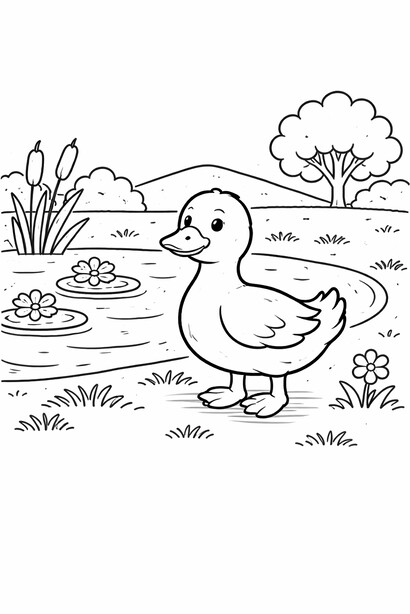
Ducks are endlessly charming — waddling, quacking, and gliding across the farm pond with an effortless calm that children find absolutely delightful. The mallard's iridescent green head, the fluffy white farmyard duck, and the sweet yellow duckling are all iconic images that children recognize from books and nature walks, making this free duck coloring sheet feel immediately familiar and inviting.
Duck coloring sheets are especially popular in spring — a natural fit for Easter activities, spring nature units, pond habitat lessons, and any time you want a cheerful, seasonally appropriate coloring activity that feels connected to the outdoor world waking up around us. Pair this sheet with the chicken and goat farm animal printables for a complete farmyard pond-and-pasture collection.
Related Animal Coloring Sheets
Frequently Asked Questions
Why do male ducks have colorful feathers?
Male ducks (drakes) have brightly colored plumage during breeding season to attract mates — the iconic iridescent green head of the mallard is one of the most recognizable examples. After breeding season, males molt into a dull 'eclipse' plumage similar to females, which helps camouflage them while flightless during the molt.
What sounds do ducks make?
Only female mallards make the classic 'quack' sound. Male mallards make a softer, raspy call. Other duck species make a wide variety of sounds including whistles, grunts, coos, and yodels. The 'quacking duck' we imagine is almost always a female mallard.
Is this coloring page free to download and print?
Yes, completely free. Every coloring sheet on PrintColoringSheet. com is free for personal and non-commercial classroom use. No sign-in, no subscription, and no watermarks — just click Download or Print and you're ready to color.
Can I use this coloring page in my classroom or homeschool?
Yes. All coloring sheets on PrintColoringSheet. com are free for personal and non-commercial educational use, including classrooms, homeschool settings, libraries, and after-school programs. Print as many copies as you need.